Collection: Heel spur
Heel spurs and plantar fasciitis are common causes of pain under the heel, especially during the first steps in the morning or after resting. The symptoms usually occur when the tendon under the foot becomes overloaded, which can lead to irritation and tenderness around the heel.
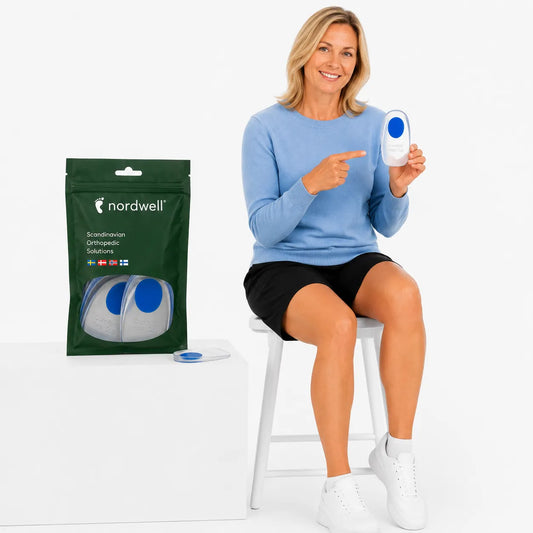
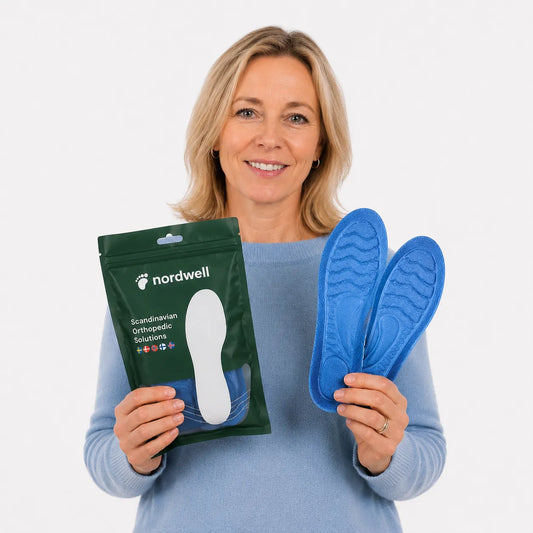
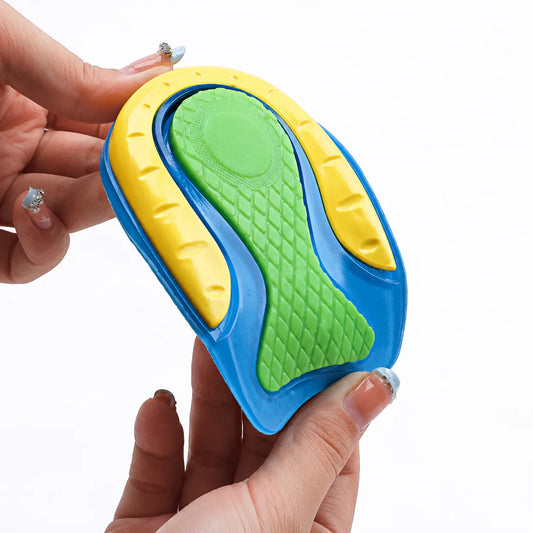
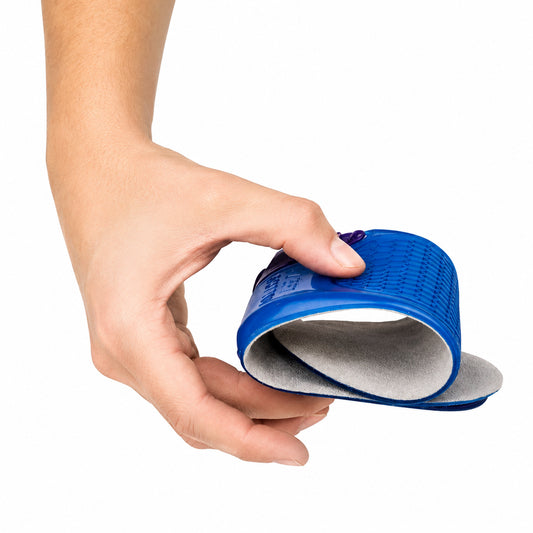
For many people, relieving pressure with orthopedic aids can provide quick relief. Also see our shock-absorbing heel inserts, which can reduce pressure on the plantar fascia's attachment point.
- Best Seller
- Best Seller
- Best Seller
- Best Seller
- Best Seller
- Best Seller
-
Best Seller
Spara 27%
- Bestseller
- Best Seller
What are heel spurs and why do they hurt?
Heel spurs are one of the most common causes of pain under the heel and are usually caused by overuse of the tendon under the foot, known as the plantar fascia.
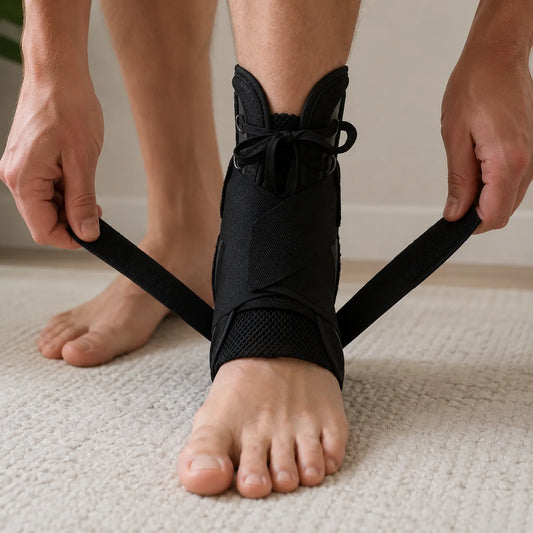
When the tendon is subjected to repeated strain, small injuries occur, leading to irritation and pain. This is why many people experience the most pain during their first steps in the morning or after resting.
The pain may feel sharp, burning, or aching under the heel and often worsens during longer walks or when standing for extended periods. It is also common for the symptoms to develop gradually over time.
Common causes of heel spurs
Heel spurs rarely develop overnight; they gradually develop when the foot is subjected to more strain than it can handle.
Common causes include:
- Prolonged standing or walking on hard surfaces
- Shoes with poor cushioning or inadequate support
- Overuse during exercise or increased activity
- Collapsed arch or improper weight distribution
- Stiff calves or limited mobility in the foot
By reducing the strain and providing the foot with the right support, you can often break the negative cycle.
How to relieve heel spurs in everyday life
To reduce pain, it is important to both relieve pressure on the heel and support the foot's natural function.
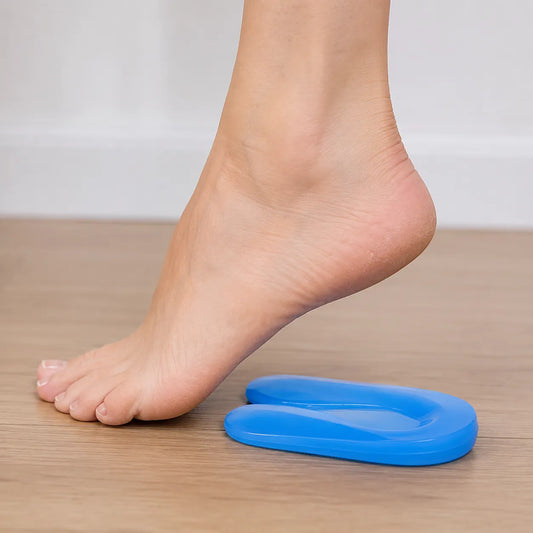
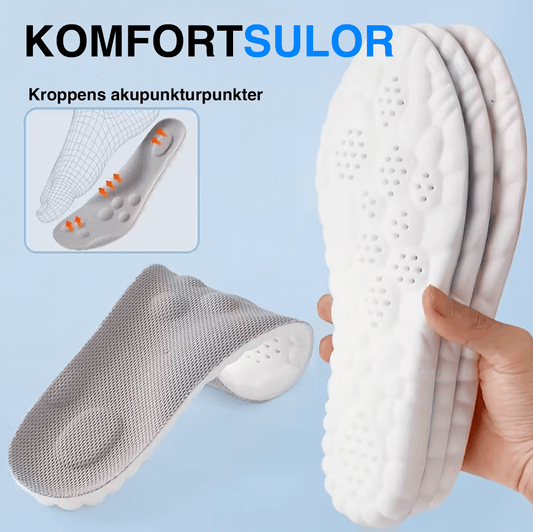
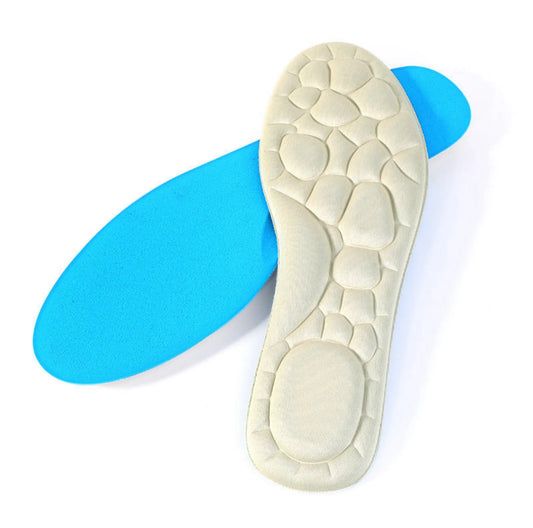
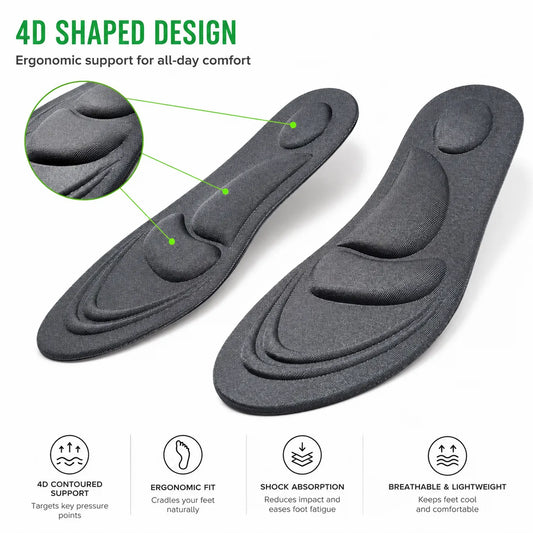
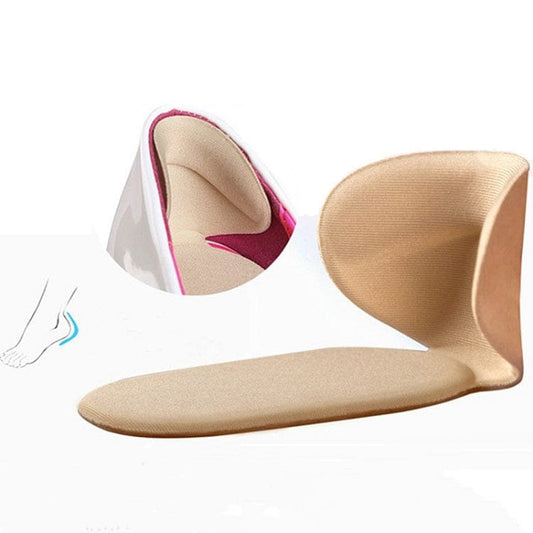
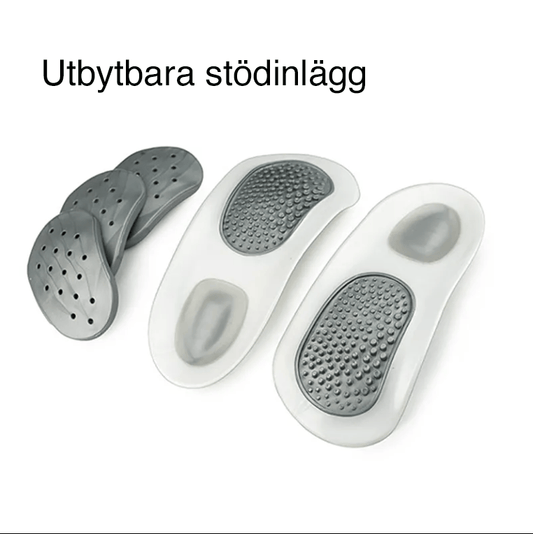
Many people experience noticeable relief by using gel heel inserts for heel spurs that support the arch of the foot and reduce pressure on the heel. These inserts are placed directly in the shoe and help cushion the impact with each step, which can relieve pain and discomfort in everyday life.
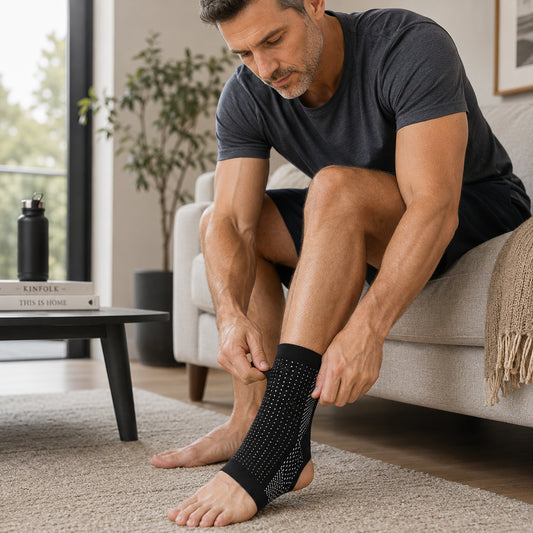
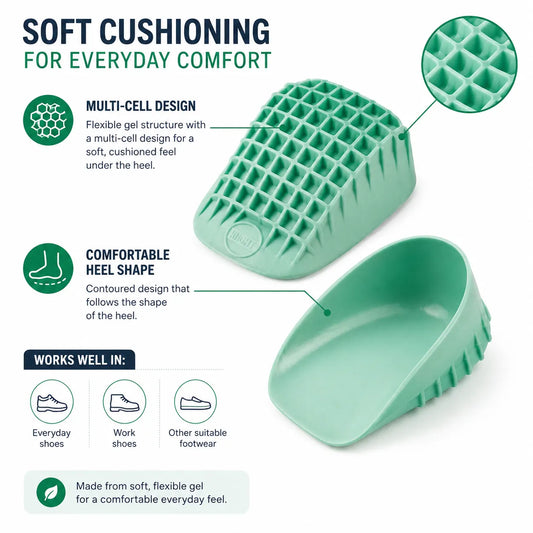
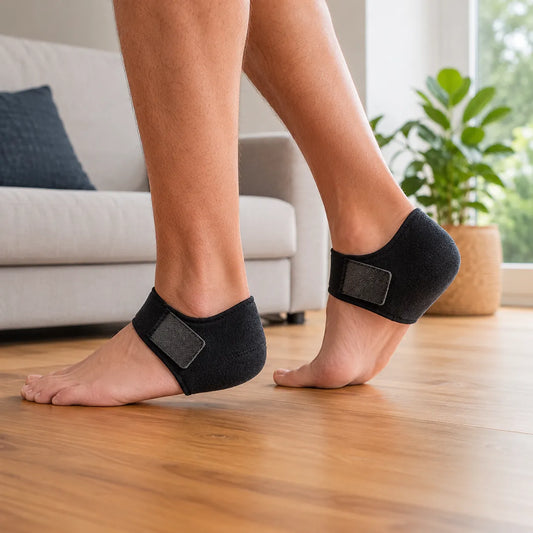
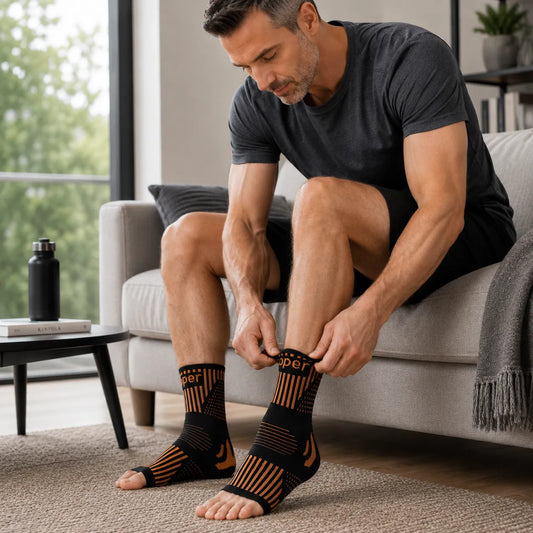
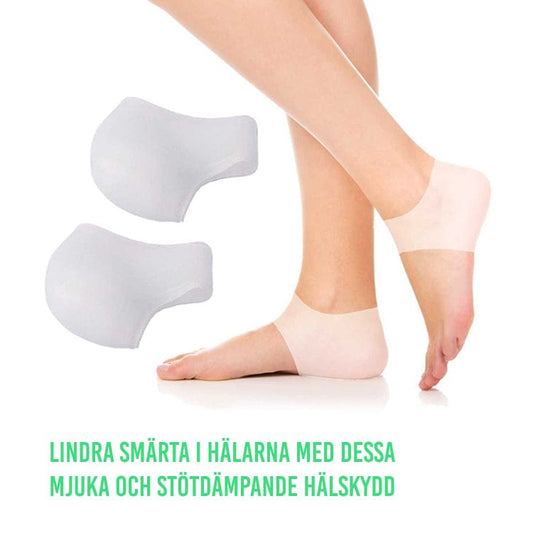
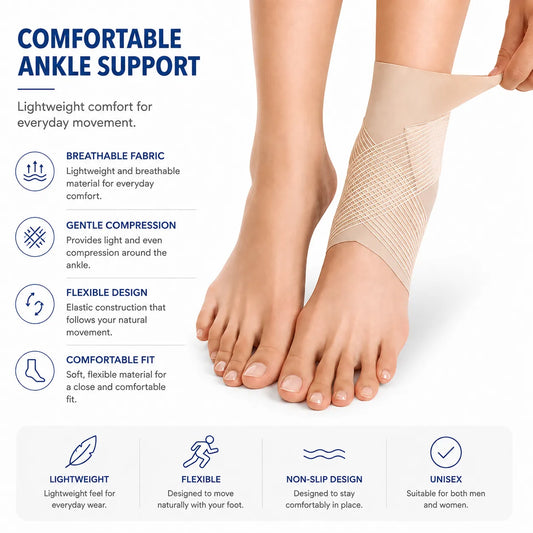
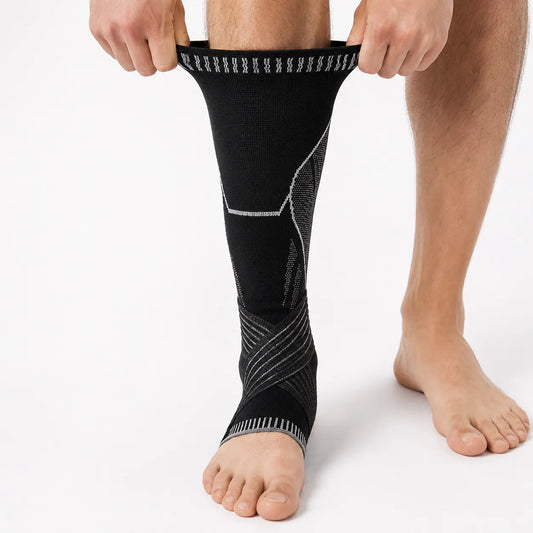
For extra relief, you can also use soft heel pads or protectors that reduce pressure directly where it hurts. For some people, compression socks may also improve circulation and provide support during the day.
In addition to aids, it is also a good idea to:
- Wear stable shoes with good cushioning
- Avoid walking barefoot on hard floors
- Reduce activities that worsen the pain
- Stretch your foot and calf regularly
What helps heel spurs most?
The most effective approach is usually a combination of several measures focused on reducing the load and giving the foot the right conditions to heal.
The following usually gives the best results:
- Shock-absorbing insoles that relieve the heel
- Heel cups or heel protectors that reduce pressure points
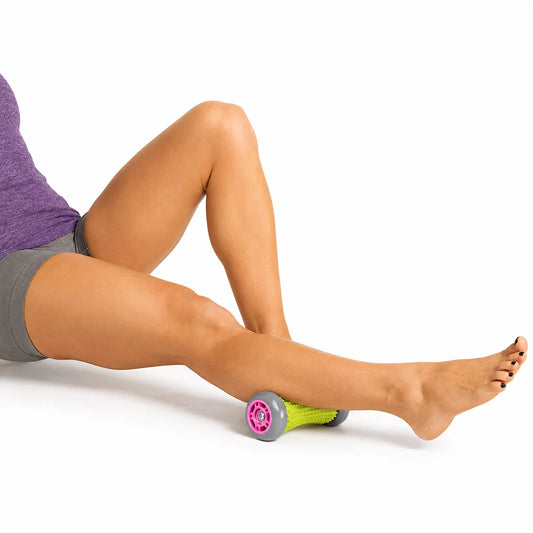
- Stretching the calves and soles of the feet
- Adapting shoes and everyday load
With the right support, you can remain active without worsening the symptoms.
How long does it take to get better?
A heel spur is a condition that often requires patience. For many people, it takes a few weeks to months before the symptoms decrease, depending on how early treatment begins and strain on the foot is reduced.
By using the right aids and reducing the load, you can speed up recovery and reduce the risk of the problems becoming long-lasting.
When should you take action?
If you have heel pain that does not go away, or if the pain affects your everyday life, it is important to take it seriously.
The sooner you start reducing strain on your foot and using the right support, the greater your chances of getting rid of the symptoms more quickly.
Frequently asked questions about heel spurs
What is a heel spur, really?
A heel spur is a painful condition of the heel that is usually caused by overloading the plantar fascia, not by the bony growth itself.
What does a heel spur feel like?
The pain is usually felt under the heel and is worst during the first steps in the morning or after resting.
Can you exercise with a heel spur?
Yes, but it is important to adapt your training and avoid activities that worsen the pain, such as running on hard surfaces.
What helps heel spurs most quickly?
Reducing strain combined with supportive insoles and proper shoes often provides the fastest relief.
Do you need to seek medical care?
If the pain does not go away despite self-care, or if it gets worse, it may be a good idea to contact a healthcare provider for further assessment.
Read more: Information about heel spurs on 1177
What are heel spurs and plantar fasciitis?
Heel spurs and plantar fasciitis are different conditions, but they are often related. Plantar fasciitis is actually what causes the symptoms - it is irritation where the tendon attaches beneath the foot, which can occur when you walk a lot, run, stand on hard floors, or wear shoes without support. A heel spur is the bony growth that sometimes forms over time when the same area has been irritated for a long time.
The typical sign is increased pain during the first steps in the morning or when you get up after sitting still. Many describe it as a sharp, “stabbing” sensation just in front of the heel that occurs as soon as the foot bears weight.
Common symptoms of heel spurs - how to recognize the symptoms
You often experience sharp pain beneath the heel when walking, especially during the first steps in the morning or when you get up after sitting still. Many describe increased heel pain when walking barefoot on hard surfaces. The pain is usually located just in front of the heel, where the plantar fascia attaches to the heel bone, and can eventually cause irritation at the tendon attachment - this is often mistaken for the "spur" itself being the cause of the pain.
Typical symptoms include pain beneath the heel, pain on the inside of the heel, or a stabbing sensation when you put weight on the foot. If the symptoms affect your daily life for a longer period, you may need relief to reduce the pain and prevent overloading of the plantar fascia. The right aids can often make a significant difference within just a few weeks.
Why do people get heel spurs?
It is not unusual to start feeling tenderness in the heel without really understanding why. It is usually because the foot has been working a little too hard for an extended period, for example if you stand a lot at work, have started training more intensely than usual, or walk a lot on hard floors - especially without the right shoes. This can lead to overuse of an important structure beneath the foot called the plantar fascia.
It is also not unusual for other factors to play a role - such as having a high or low arch, wearing shoes without adequate support, or perhaps weighing a little more than the foot can comfortably support over time. Age can also have an effect, since the tissues in the foot become less elastic over time and do not absorb impact as well as they used to.
So why do people get heel spurs? Usually because the foot is exposed to more than it was designed for, without receiving the right support and recovery.
Effective treatment for heel spurs and plantar fasciitis
Heel spurs or plantar fasciitis can cause severe pain and significantly reduce your ability to stay active. Many people experience pain beneath the heel, especially during the first steps in the morning or when putting weight on the foot after resting. It is common for the symptoms to occur at the attachment where the plantar fascia's tendon sheet meets the heel bone - an area that is easily irritated by overuse.
Effective treatment primarily involves reducing pain and relieving the foot. Self-care plays a central role. Many people with heel spurs notice improvement by using orthopedic insoles or shock-absorbing insoles. Custom-designed insoles with extra arch support and a soft surface beneath the heel can help relieve pain and reduce pressure on the tendon attachment. For some people, heel cup insoles also help with heel spurs, especially if you walk a lot on hard surfaces.
In addition to reducing strain, simple exercises you can do at home can be an important part of treatment. Stretching the calf muscles and plantar fascia reduces tension in the area and promotes healing. Taping the heel and arch, sometimes called heel spur taping, can also provide temporary support and reduce strain on the attachment.
In some cases, when symptoms do not improve with self-care, shockwave therapy for heel spurs may be an option. The treatment stimulates blood circulation and accelerates healing in the area around the tendon attachment. It is often used as an intermediate step before more advanced care is considered. According to 1177 for healthcare professionals, shockwave therapy can have an effect after just a couple of sessions.
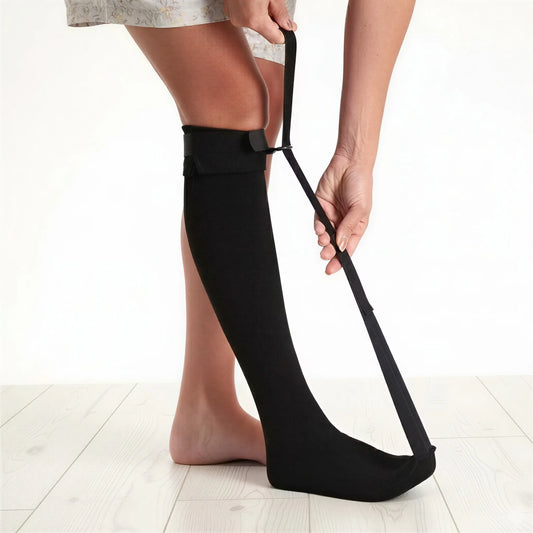
Other aids, such as night splints, soft shoes, or supportive aids such as support socks may also be worth trying - especially if you have been in pain for a long time. It is important to choose good shoes with adequate heel cushioning, especially if you walk a lot or have a job where you stand all day. Getting customized shoes and insoles can reduce the risk of overloading the foot while you recover.
In summary: effective treatment for heel spurs is based on early relief, regular exercises, and adapting your daily routine so that the foot receives the right support. For most people, the symptoms go away with the right self-care and aids - but it requires patience and consistency.
Relieve strain on the heel - the best products for heel spurs
If you have a heel spur, the heel should be relieved to reduce pain and give the plantar fascia time to heal. The following aids can do a great deal to relieve the symptoms. Orthopedic insoles with arch support and a soft, shock-absorbing heel cup can reduce pressure on the tendon attachment. Many people also experience relief by using heel cup insoles for heel spurs, especially if they walk a lot on hard surfaces.
For those who have started experiencing heel pain while walking, taping the heel and arch can also provide temporary relief. It acts as additional support that helps stabilize the arch. Shock-absorbing shoes and supportive insoles are also good options, especially if you stand and walk a lot in daily life. The most important thing is to reduce the strain on the attachment where the pain occurs - with the right products, many people experience less pain within just a few weeks.
Frequently asked questions about heel spurs
What is the difference between a heel spur and plantar fasciitis?
A heel spur is a bony growth that sometimes forms on the underside of the heel bone after prolonged irritation. The actual cause of the pain is inflammation at the tendon attachment where the plantar fascia attaches; this is called plantar fasciitis. You can therefore have plantar fasciitis without having a visible heel spur.
How long does it take for a heel spur to heal?
Healing time varies from person to person, but most people improve within 6–12 weeks with proper self-care. In some cases, it may take longer, especially if the symptoms have been present for a long time before treatment begins.
In cases of more severe symptoms, or if the pain does not go away after a few weeks of self-care, it may be wise to contact a healthcare provider.
🔗 Read more about heel spurs on 1177
How can you treat heel spurs and plantar fasciitis yourself?
Self-care consists of reducing strain, using orthopedic insoles, stretching, and sometimes taping. An important principle is to reduce the load on the heel and avoid activities that worsen the pain. Heel spurs often mean that the foot needs to recover with the help of proper support.
Which products help most with heel spurs?
Products often recommended include heel cup insoles, orthopedic insoles, shock-absorbing shoes, and night splints. These aids help reduce pressure on the attachment and support healing. What works best may vary depending on how long you have been in pain and the shape of your foot.
Does shockwave therapy work for heel spurs?
Yes, shockwave therapy for heel spurs can be effective if self-care is not enough. The treatment increases circulation in the tendon attachment and stimulates faster healing. According to 1177, shockwave therapy is a common method used by healthcare professionals.
Does taping help with heel and arch pain?
Yes, heel spur taping can reduce strain and support the arch. It can be particularly useful on days when you walk or stand a lot. There are different taping methods that can be adapted to how your symptoms feel.
Do heel cup insoles work for heel spurs?
Many people feel that heel cup insoles provide rapid relief from heel spurs because they help absorb shocks and relieve the attachment where the plantar fascia meets the heel bone. They are one of the most common aids for heel pain.
How do I choose the right insoles or socks?
The right insoles should support the arch, absorb shocks, and fit the shape of your foot. Socks can also affect comfort - preferably choose models with extra cushioning in the heel. Custom-designed insoles often provide the best results if you have had symptoms for a long time.
Can the right shoes prevent heel spurs?
Yes, shoes with good shock absorption, a secure heel grip, and arch support can reduce the risk of developing heel spurs. This is particularly important if you often walk on hard surfaces or stand a lot in daily life.